


Bipolar Disorder Reasonable Adjustments Guide
Bipolar Disorder Reasonable Adjustments Guide
DOWNLOAD
Couldn't load pickup availability
Create an Inclusive Workplace for Applicants and Employees with Bipolar Disorder
 Supporting someone with bipolar disorder during recruitment or at work can involve a wide range of considerations, and knowing what reasonable adjustments may help is not always straightforward.
This practical Bipolar Disorder Reasonable Adjustments Guide helps employees, employers, managers and HR professionals better understand how bipolar disorder may affect someone at work and the workplace barriers they may experience, with practical examples of adjustments and support that can be considered around the individual’s needs.
Whether you are preparing for a conversation about reasonable adjustments, recruiting someone with bipolar disorder, supporting an employee at work or helping them return following a period of absence, the guide provides a useful starting point without having to research everything from scratch.
Key Benefits of the Guide
- Understand how bipolar disorder may affect someone at work and where workplace barriers may arise
- Explore practical reasonable adjustments around working patterns, workload and individual support
- Prepare for conversations about an individual’s needs with more confidence
- Consider adjustments during recruitment, at work and when returning from absence
- Save time researching possible workplace support from scratch
- Includes an editable notes page for recording key points and considerations
- Suitable for employees, employers, managers, HR and health and safety professionals
- Supplied as an instant digital PDF download
Understanding Bipolar Disorder at Work
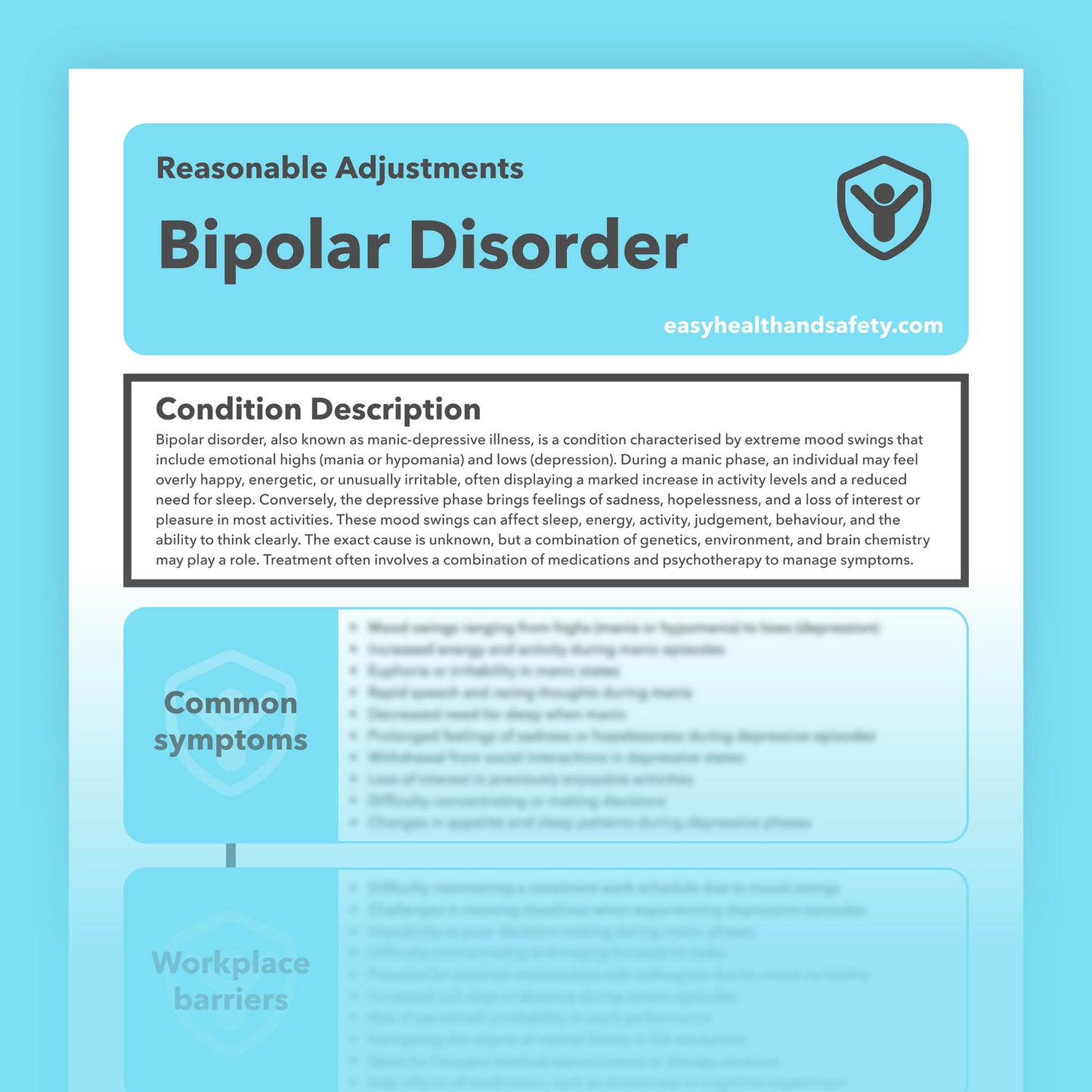
 Bipolar disorder can affect people in different ways and may involve periods of depression and periods of mania or hypomania, with changes in mood, energy, sleep, concentration and activity levels.
The guide provides an overview of bipolar disorder alongside examples of common symptoms, potential workplace barriers and tailored support. It considers how changes in energy, concentration, working patterns and other individual needs may affect someone at work, as well as practical support that may help.
This provides useful context for understanding how bipolar disorder may affect someone at work before considering what reasonable adjustments could be appropriate for the individual.
Reasonable Adjustments Throughout Employment
 The guide considers reasonable adjustments at three important stages, recognising that the support someone needs may vary depending on their circumstances.
During recruitment
Practical considerations include creating a clear and supportive recruitment process, considering interview arrangements and scheduling, providing accessible information and discussing any individual support that may help the applicant participate fully.
At work
The guide explores areas such as flexible scheduling, task and workload adjustments, supportive supervision, regular check-ins, colleague awareness, emotional support and other practical ways to create a more supportive working environment.
Returning from absence
Considerations include creating a supportive and adaptable return to work, reviewing working hours and workload, maintaining regular communication and adjusting support as the individual settles back into their role or their needs change.
Supporting the Individual, Not Just the Condition
No two people will experience bipolar disorder in exactly the same way. The impact on someone’s work, and the adjustments that may help them, can vary considerably and may change over time.
The guide encourages an individual approach by helping you:
- Consider the person’s role, circumstances and specific workplace barriers
- Explore adjustments and support that could help address their individual needs and workplace barriers
- Use the suggestions as a starting point for conversations rather than a fixed checklist
- Review support as circumstances or needs change
- Record relevant points and considerations using the included editable notes page
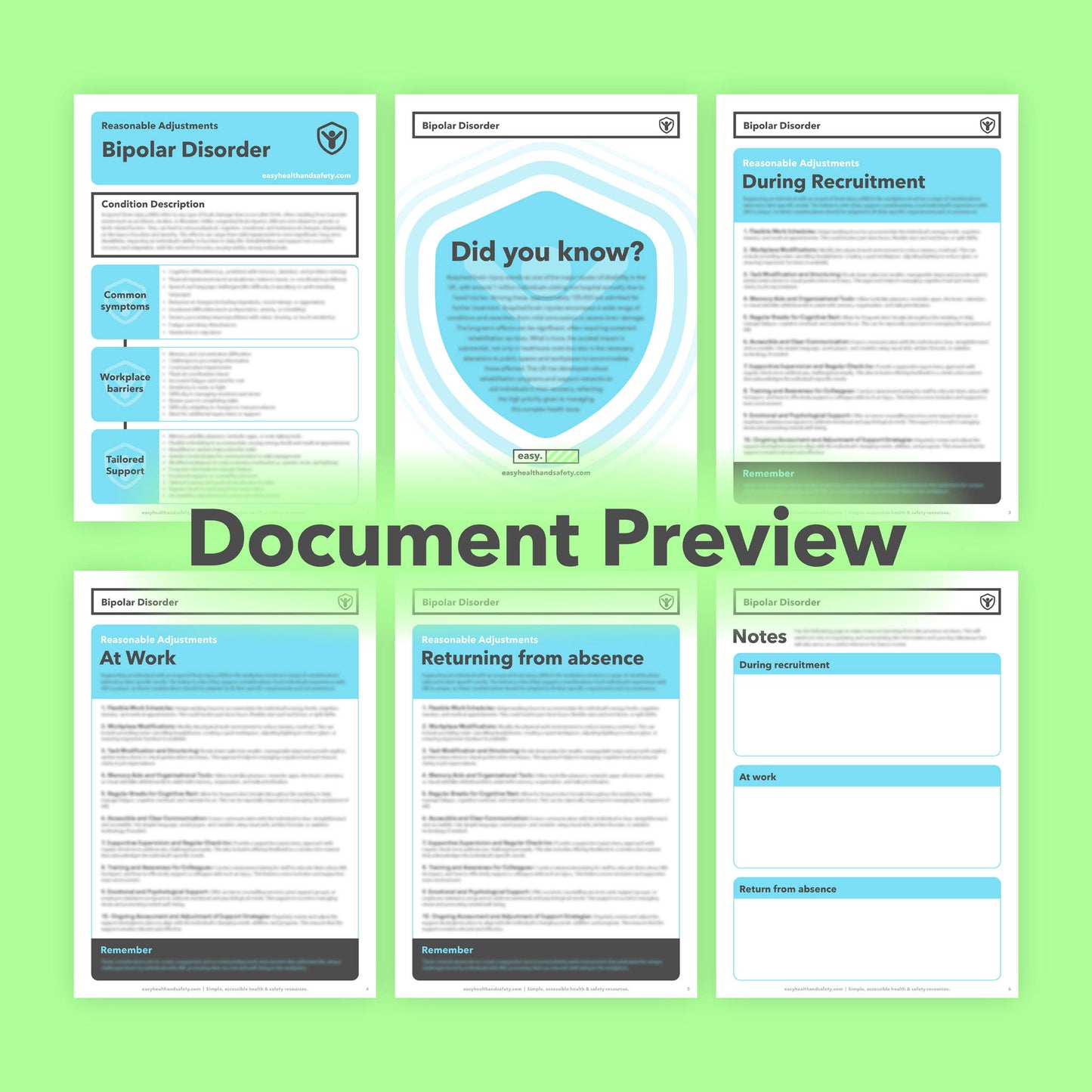
The notes page includes separate areas for during recruitment, at work and return from absence, helping you keep useful information organised for future reference.
The rest of the guide is provided as practical reference information and can be viewed on a computer or mobile device or printed for easy reference.
How the Guide Is Structured
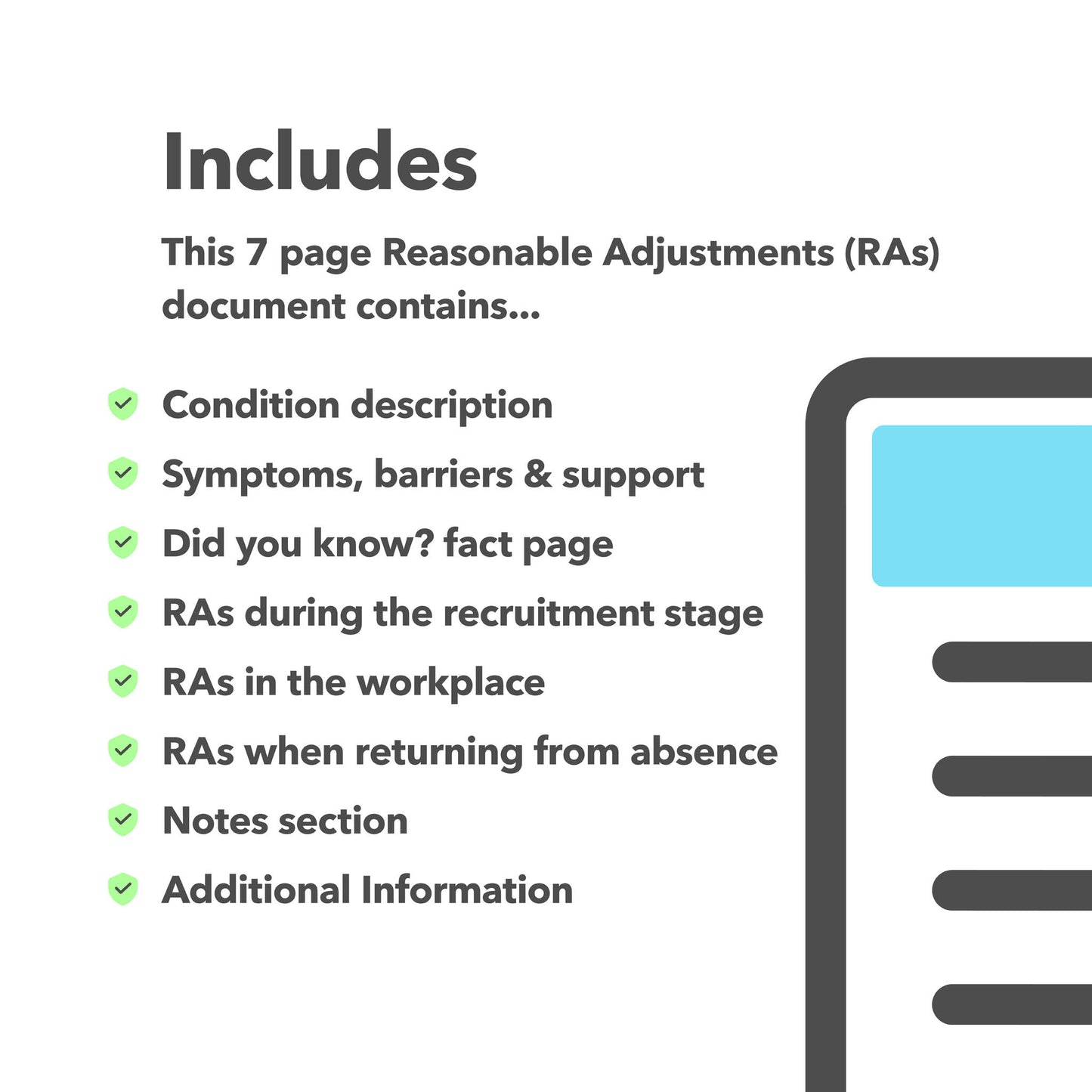
 The guide takes you from understanding bipolar disorder and potential workplace barriers through to considering practical reasonable adjustments during recruitment, at work and when returning from absence, with an editable notes page for recording key points.
- Condition description
- Common symptoms, workplace barriers and tailored support
- Did You Know? fact page
- Reasonable adjustments during recruitment
- Reasonable adjustments at work
- Reasonable adjustments when returning from absence
- Editable notes page
Need Broader Reasonable Adjustments Support?

Our Reasonable Adjustments Bundles bring together practical resources to help you support a wider range of individual needs and put a more consistent approach to reasonable adjustments in place across your workplace.



Related products...
-
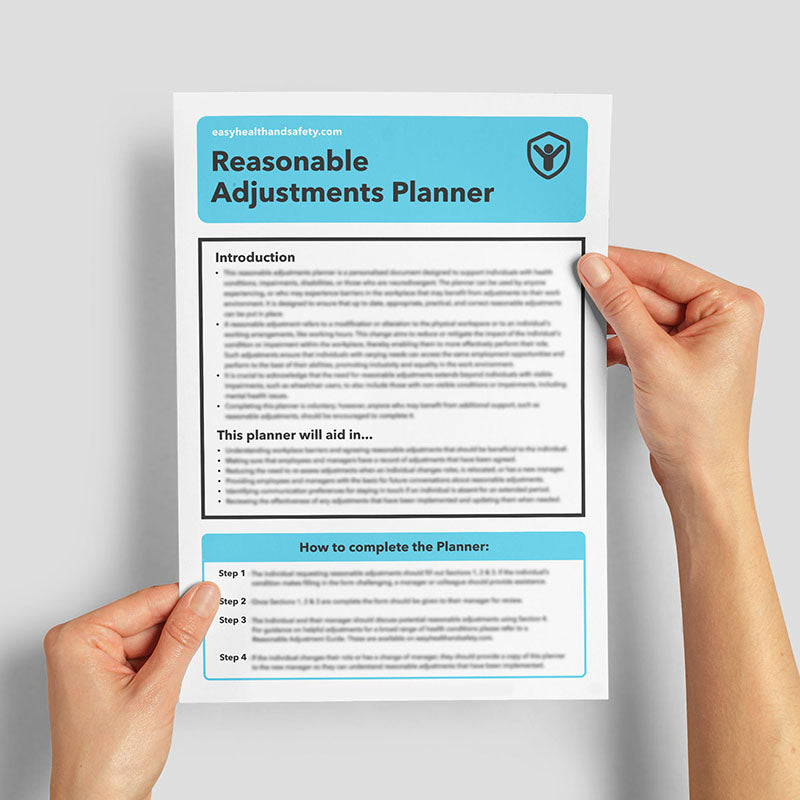
Reasonable Adjustments Planner
View productThe Reasonable Adjustments Planner empowers individuals with health conditions, impairments, and those who are neurodivergent by guiding them and their managers through the identification and implementation of appropriate workplace adjustments. It provides a clear path for understanding which adjustments are necessary for the individual and assists in facilitating their deployment.
-
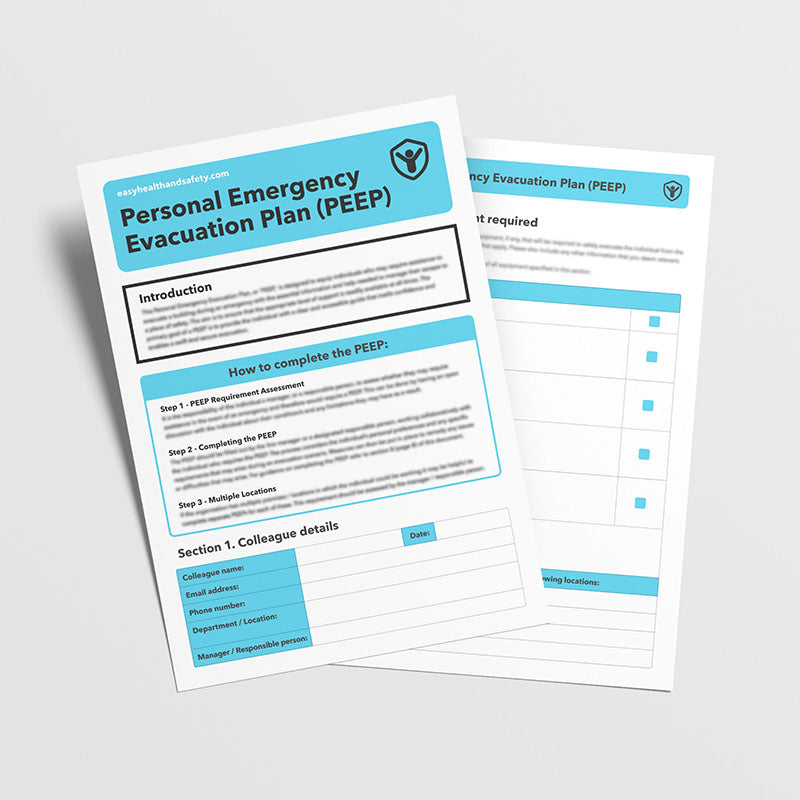
Personal Emergency Evacuation Plan (PEEP)
View productThe PEEP is a personalised evacuation strategy document. It outlines the intended routes and methods of evacuation, taking into account an individual's limitations, such as cognitive, or physical impairments. The PEEP is designed to ensure that everyone, irrespective of their abilities, can evacuate to safety in an orderly and timely manner, with the right support and resources at hand.
-
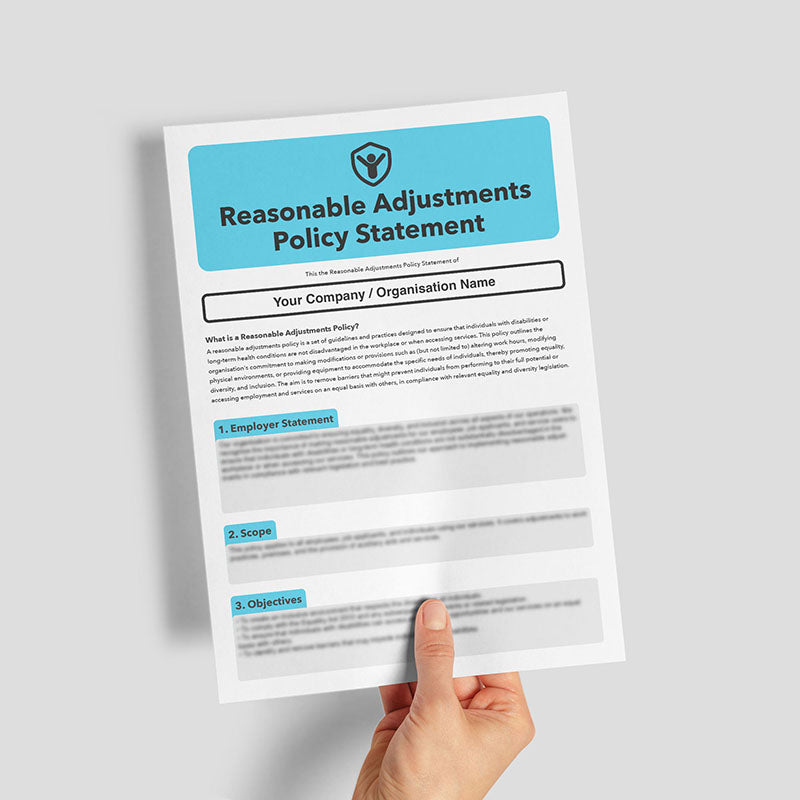
Reasonable Adjustments Policy
View productOur Reasonable Adjustments Policy is an essential asset for organisations striving to cultivate an inclusive environment. It provides a clear framework for how reasonable adjustments will be handled in the workplace. The aim being to provide consistency in eliminating workplace barriers across an organisation, enabling all individuals to access employment opportunities and services on an equal basis.
